
How to Choose the Right Investment Strategy for Your Portfolio


Understanding Your Investment Goals
Before diving into specific investment strategies, it's essential to clearly define your financial goals. Are you saving for retirement, buying a home, or building wealth? Your objectives will significantly influence the type of investments that are suitable for your portfolio. Consider the time horizon for each goal, as this will impact the level of risk you can comfortably take.

Short-term goals might require more conservative investments, while long-term goals can afford a higher risk tolerance. By understanding your goals, you can better align your investment strategy with your financial needs.
Assessing Your Risk Tolerance
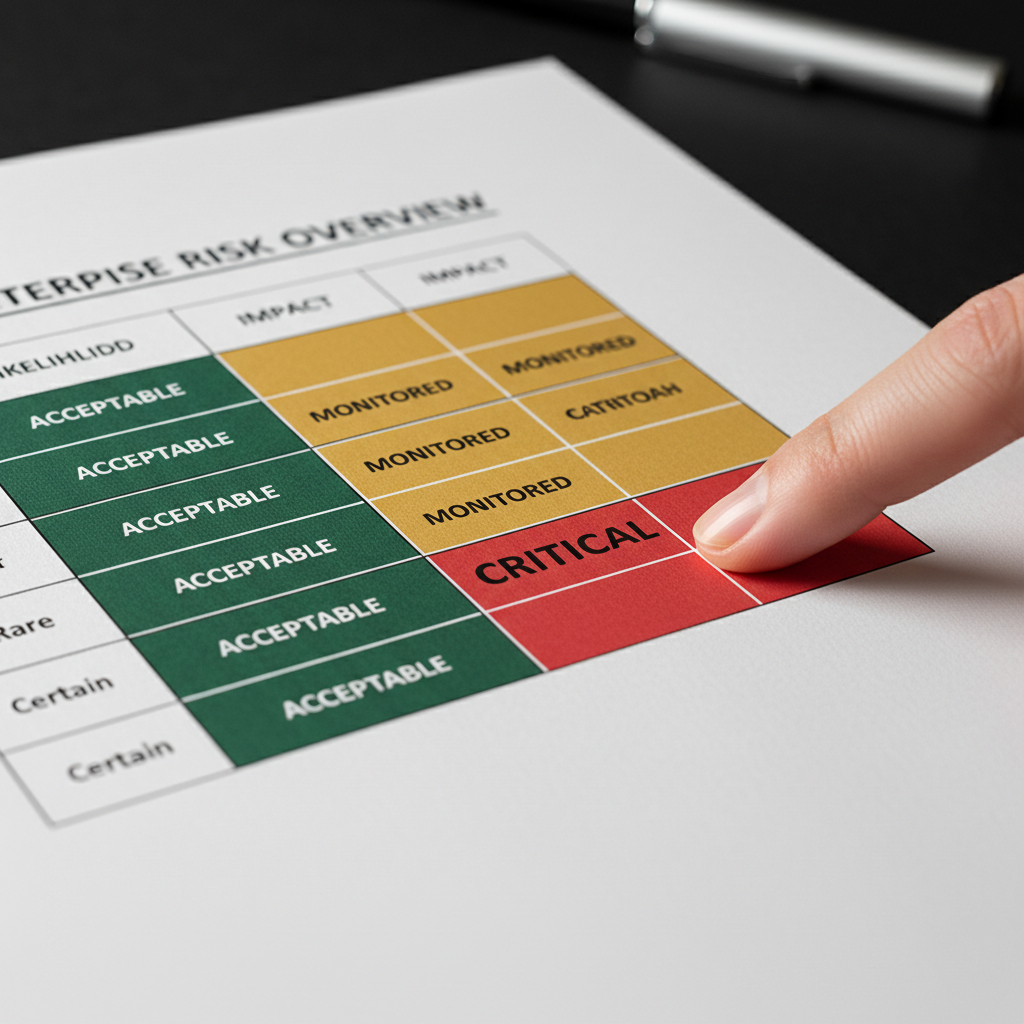
Risk tolerance is a crucial factor in choosing the right investment strategy. It reflects your ability and willingness to withstand market fluctuations. Some investors are comfortable with the ups and downs of the market, while others prefer stability and less risk. To assess your risk tolerance, consider factors such as your age, income, and financial responsibilities.
Creating a diversified portfolio can help manage risk by spreading investments across different asset classes. Balancing stocks, bonds, and other securities can provide a mix that aligns with your personal risk tolerance.
Exploring Different Investment Strategies
Once you've established your goals and risk tolerance, it's time to explore various investment strategies. Here are a few popular options:
- Value Investing: Focuses on stocks that appear undervalued based on fundamental analysis.
- Growth Investing: Targets companies expected to grow at an above-average rate compared to their industry.
- Income Investing: Aims to generate regular income through dividends or interest payments.
Evaluating Costs and Resources
Investment costs can significantly impact your portfolio's performance. Be mindful of fees associated with different investment products, including mutual funds, ETFs, and advisory services. Lower costs can lead to better net returns over time.

Additionally, consider the resources and tools at your disposal. Many online platforms offer educational content, research tools, and user-friendly interfaces to help manage your investments effectively.
Regularly Reviewing and Adjusting Your Portfolio
Investing is not a "set it and forget it" activity. Regularly reviewing your portfolio ensures it remains aligned with your goals and market conditions. Life changes, economic shifts, and new opportunities may necessitate adjustments to your strategy.
Consider setting a schedule to review your investments, perhaps quarterly or annually. This practice helps you stay informed and proactive in managing your financial future.

By following these steps and staying informed, you can choose an investment strategy that aligns with your unique financial journey, helping you reach your goals with confidence.