
FAQs About Stock Trading in Hong Kong: Expert Answers and Insights


Understanding the Basics of Stock Trading in Hong Kong
Stock trading in Hong Kong can be an exciting venture for both beginners and seasoned investors. The city is home to one of the largest stock exchanges in the world, providing numerous opportunities. However, navigating the market can seem daunting. Here, we answer some frequently asked questions to help you get started.
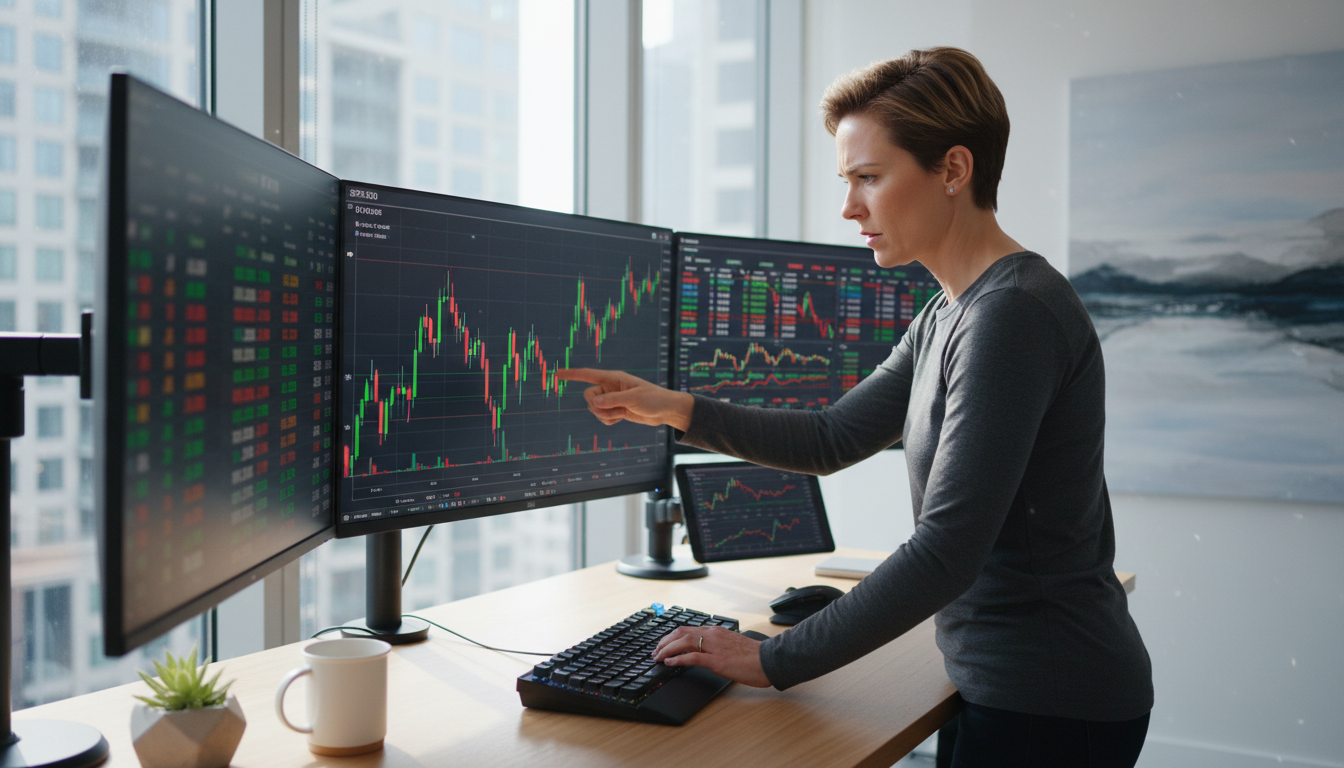
How Do I Start Trading Stocks in Hong Kong?
To begin trading, you'll need to open a brokerage account with a firm licensed by the Securities and Futures Commission of Hong Kong. Consider factors such as fees, user interface, and customer service when choosing a broker. Once your account is set up, you can fund it and start buying or selling stocks.
What Are the Trading Hours?
The Hong Kong Stock Exchange operates from Monday to Friday, with a morning session from 9:30 AM to 12:00 PM and an afternoon session from 1:00 PM to 4:00 PM. It's important to plan your trading activities within these hours to ensure timely transactions.
Investment Strategies and Tips
What Strategies Are Commonly Used?
Investors often use strategies such as value investing, growth investing, and dividend investing. Each approach has its own risk and reward potential, so it's crucial to understand your risk tolerance. Diversifying your portfolio can also help manage risks effectively.
- Value Investing: Focuses on undervalued stocks with strong fundamentals.
- Growth Investing: Targets companies expected to grow at an above-average rate.
- Dividend Investing: Involves investing in companies that regularly pay dividends.
Are There Any Risks Involved?
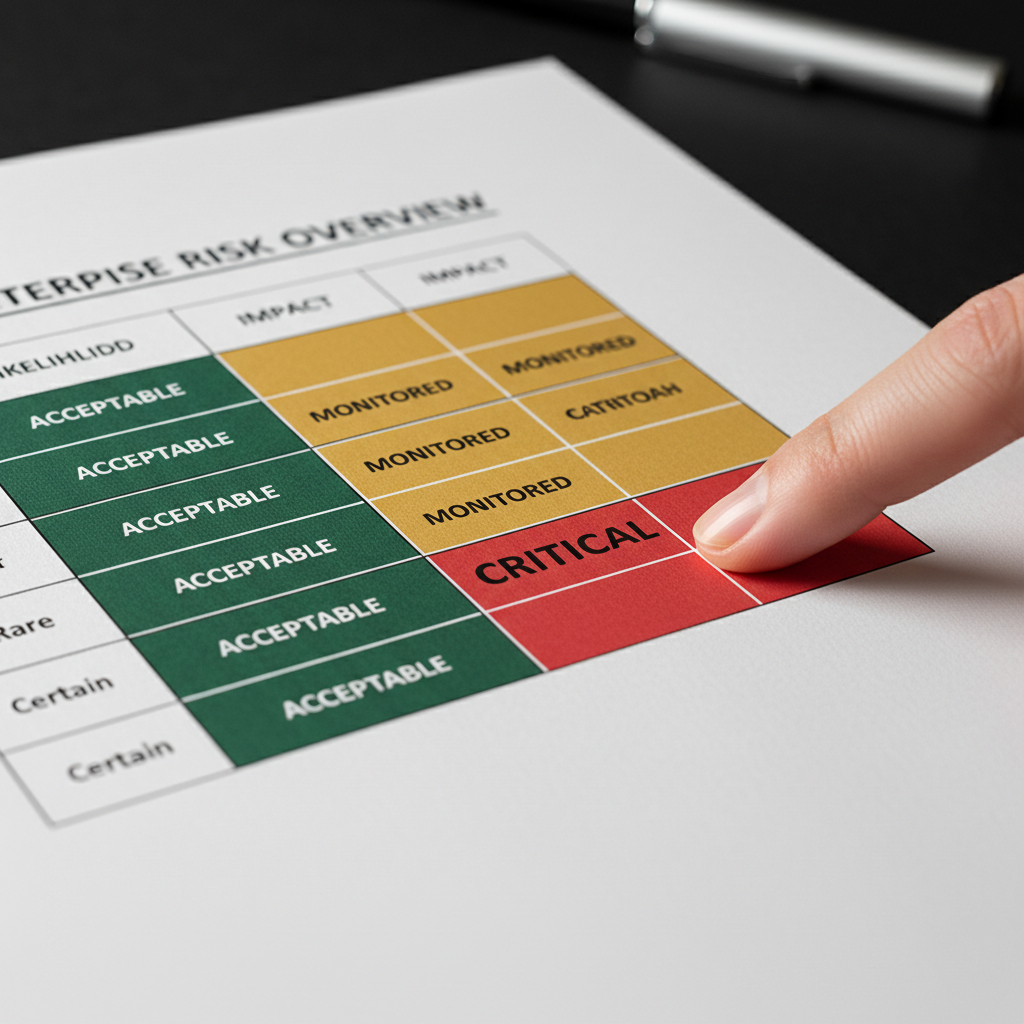
As with any investment, stock trading in Hong Kong carries risks. Market volatility, economic factors, and geopolitical events can all impact stock prices. It's vital to stay informed and continuously assess your investment strategies. Consider consulting with financial advisors if needed.
Understanding Fees and Regulations
What Fees Should I Be Aware Of?
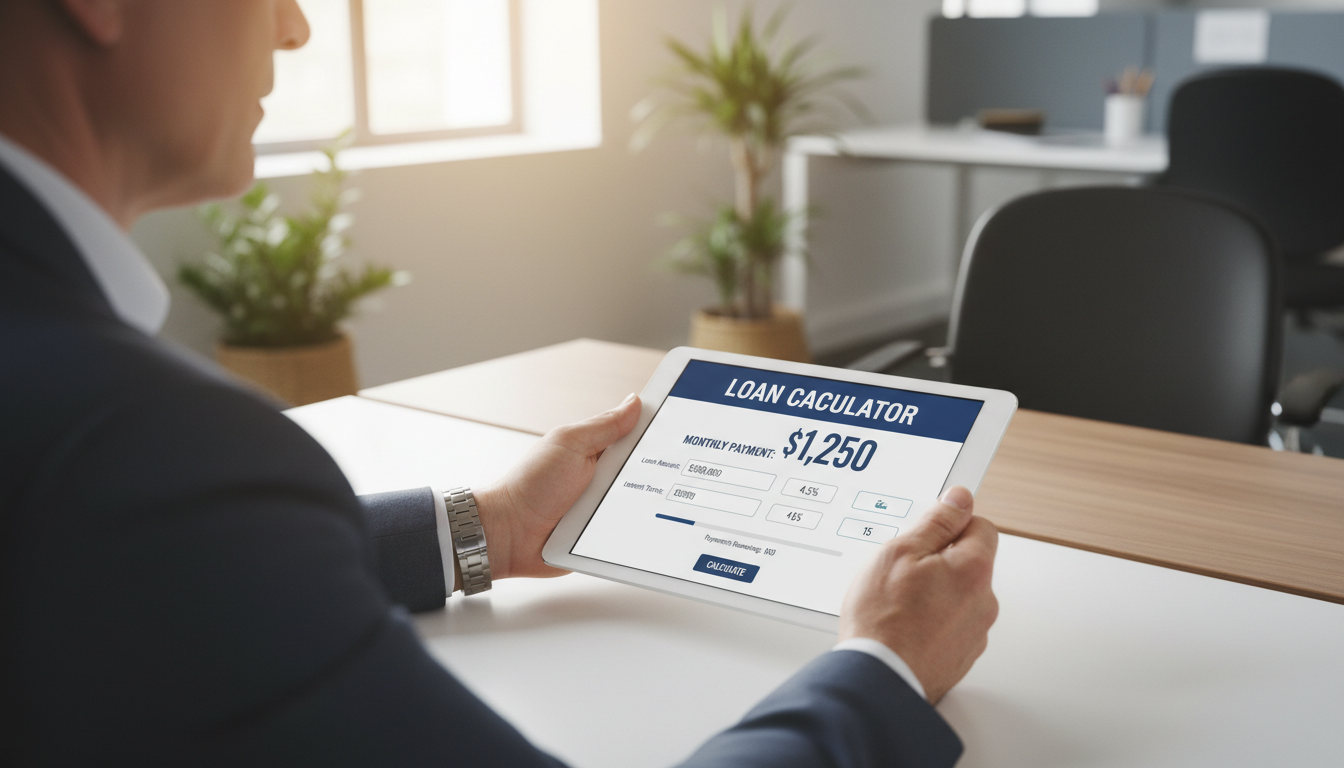
Trading stocks in Hong Kong involves various fees, including brokerage fees, stamp duties, and transaction levies. Understanding these costs is essential to calculate potential profits accurately. Always review the fee structure of your chosen brokerage before initiating trades.
What Regulations Should I Know?
The Hong Kong stock market is regulated by the Securities and Futures Commission (SFC). The SFC ensures a fair and transparent trading environment. Familiarize yourself with these regulations to avoid any legal issues and to ensure compliance.
Conclusion
Stock trading in Hong Kong offers a wealth of opportunities for investors willing to navigate its complexities. By understanding the basics, employing sound strategies, and staying informed about fees and regulations, you can enhance your trading experience. Remember, knowledge is your most powerful tool in the world of stock trading.