
Expert Insights: Trends Shaping the Future of Commodity Trading


Introduction to Commodity Trading Trends
The world of commodity trading is evolving rapidly, driven by technological advancements and shifting market dynamics. As we look to the future, several key trends are shaping the industry's landscape. Understanding these trends is crucial for traders, investors, and businesses looking to stay ahead in this competitive field.
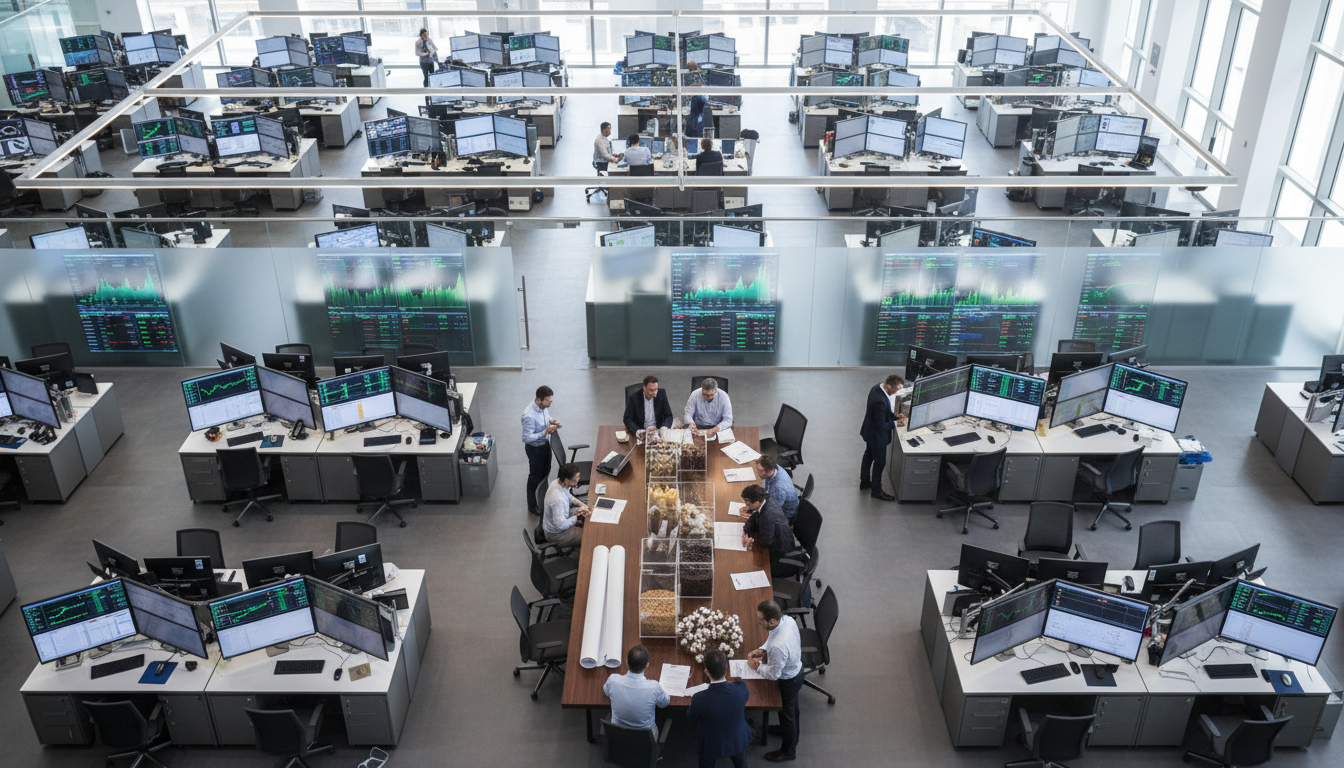
Digital Transformation in Trading
The digital revolution is at the forefront of changes in commodity trading. With the rise of blockchain technology and artificial intelligence, trading processes are becoming more efficient and transparent. Blockchain, in particular, is enhancing traceability and reducing fraud, while AI algorithms are providing traders with predictive insights to make informed decisions.
Increased Focus on Sustainability
Sustainability is no longer just a buzzword; it's a critical factor influencing commodity markets. Companies and traders are increasingly factoring in environmental, social, and governance (ESG) criteria. This shift is driven by consumer demand for ethical sourcing and regulatory pressures, pushing the industry towards greener practices.

Technological Innovations and Market Access
Advancements in technology are not only transforming trading strategies but also expanding market access. Online trading platforms are democratizing access, allowing smaller traders to compete in global markets. These platforms offer a range of tools that enhance user experience and provide real-time market data.
Data-Driven Decision Making
The role of data in commodity trading cannot be overstated. Traders are leveraging big data analytics to analyze market trends, forecast price movements, and optimize trading strategies. Access to comprehensive data sets enables traders to react quickly to market changes, gaining a competitive edge.

Challenges and Opportunities
While these trends open new opportunities, they also bring challenges. Regulatory compliance, cybersecurity threats, and market volatility are some of the issues traders must navigate. However, with the right strategies and tools, these challenges can be turned into opportunities for growth and innovation.
Conclusion
In conclusion, the future of commodity trading is being shaped by digital transformation, sustainability, and technological innovation. Staying informed about these trends is essential for anyone involved in the industry. By embracing these changes, traders can position themselves for success in an ever-evolving market.